Contents
- 0.1 1. Early Origins (17th–18th Century)
- 0.2 2. Educational Revolution (19th Century)
- 0.3 3. The Birth of Modern Construction Toys (Early 20th Century)
- 0.4 4. The Interlocking Brick Revolution (1950s)
- 0.5 5. Expansion into New Themes (1970s–2000s)
- 0.6 6. The Rise of Custom Building Blocks (2010s–Present)
- 0.7 Why Building Blocks Remain Popular
- 1 Timeline of Building Block History
Building blocks are one of the oldest educational toys in the world. From simple wooden cubes to today’s highly engineered interlocking brick systems, building blocks have evolved over centuries while maintaining the same purpose: encouraging creativity, problem-solving, and hands-on learning.
1. Early Origins (17th–18th Century)
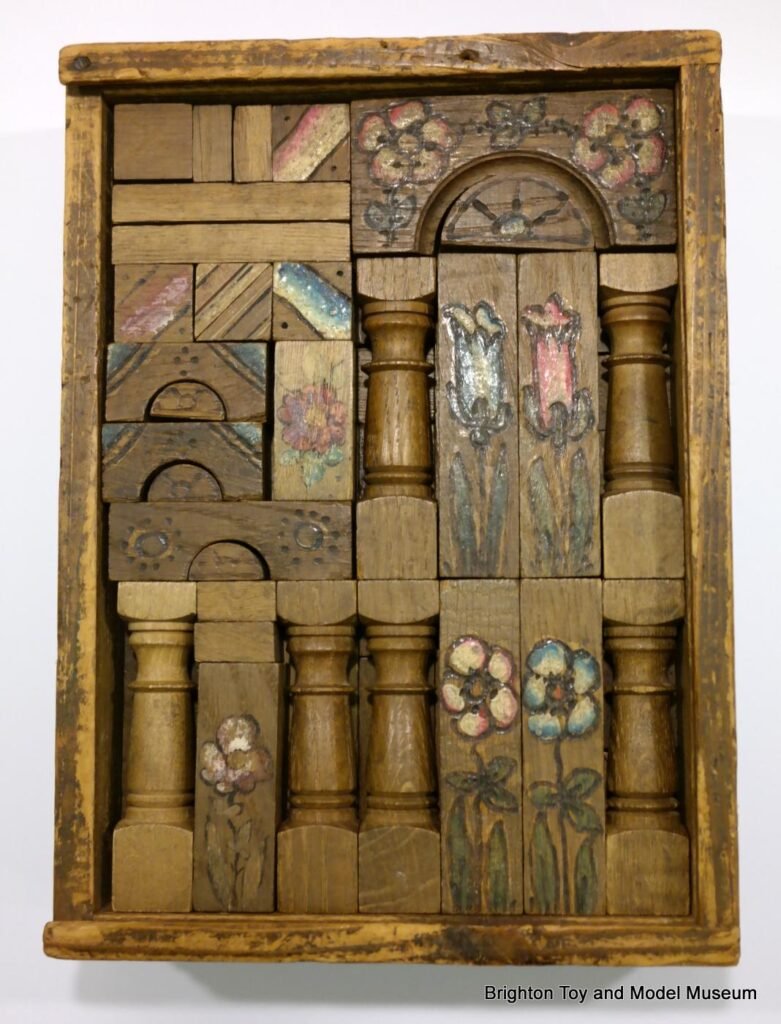
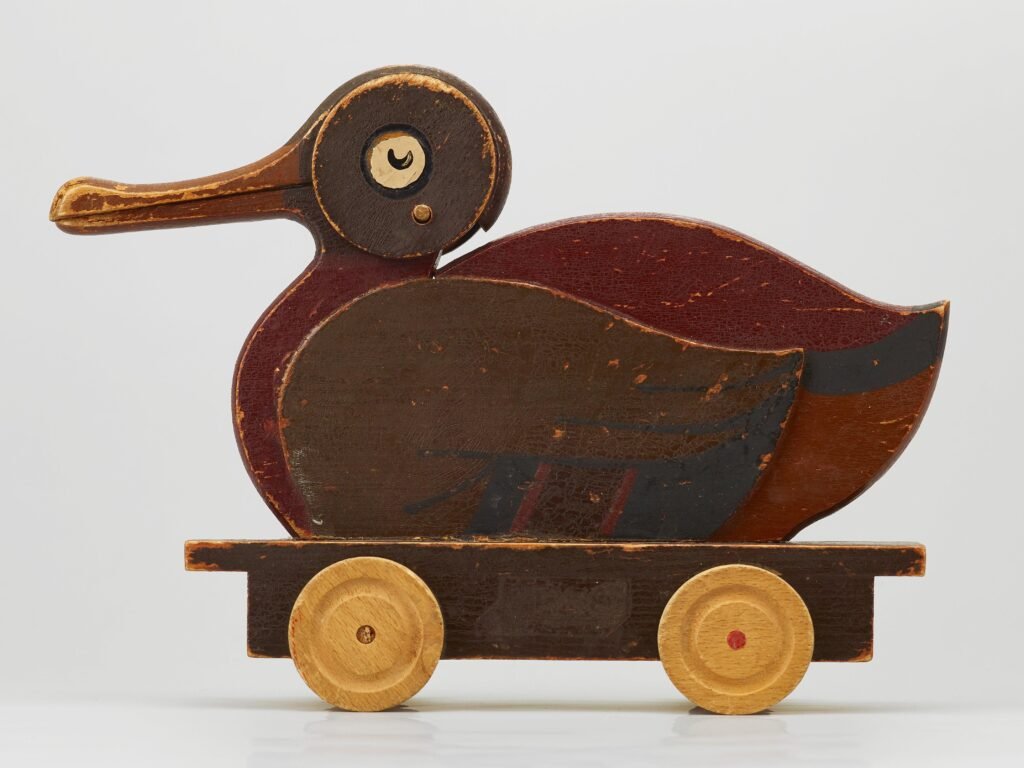
The earliest building blocks were simple wooden cubes and geometric shapes handcrafted for children in Europe. These toys were primarily used to help children learn basic geometry, balance, and spatial awareness through free play.
Unlike modern construction toys, these blocks did not connect together. Children relied on gravity and careful stacking to create structures.
2. Educational Revolution (19th Century)
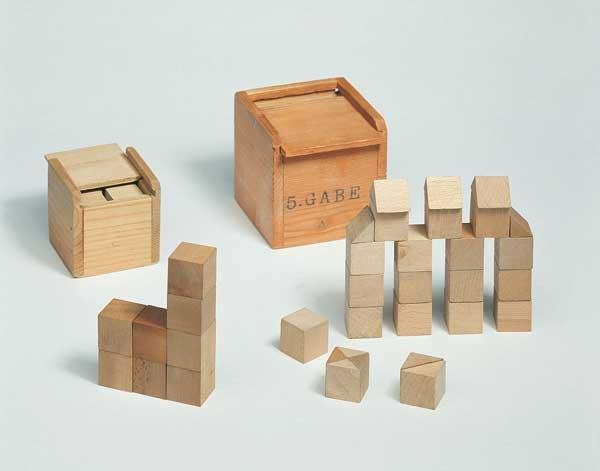
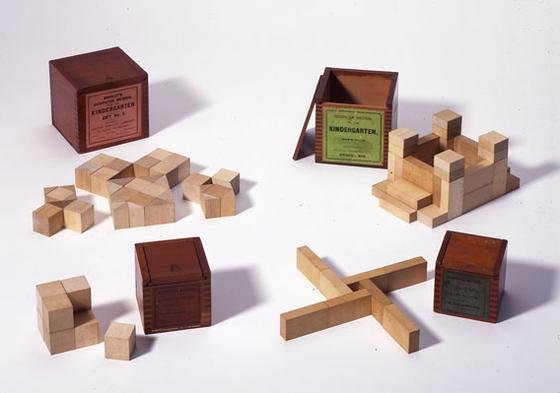
A major milestone came in the early 1800s when German educator Friedrich Fröbel introduced the concept of educational play through his famous “Fröbel Gifts.”
These carefully designed wooden blocks became an essential part of kindergarten education because they helped children develop:
- Fine motor skills
- Creativity and imagination
- Mathematical thinking
- Spatial reasoning
- Problem-solving abilities
Fröbel’s educational philosophy continues to influence modern educational toys today.
3. The Birth of Modern Construction Toys (Early 20th Century)
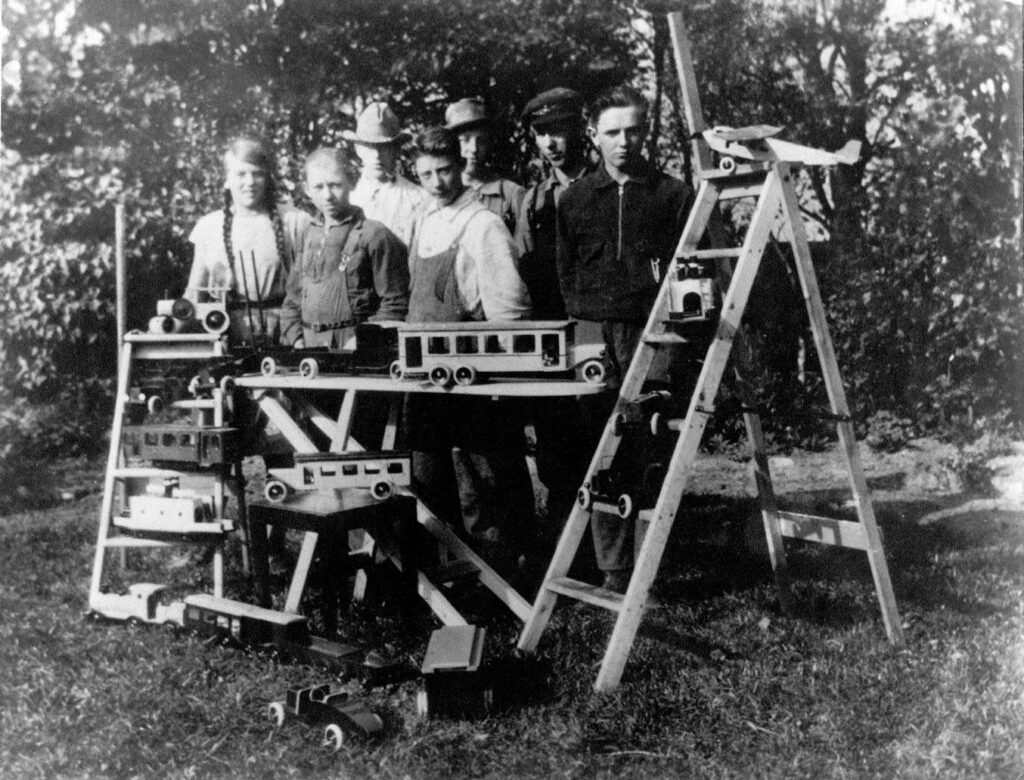
As manufacturing technology improved, toy companies began producing more sophisticated construction systems using wood and later plastic.
In 1932, The LEGO Group was founded in Denmark by Ole Kirk Christiansen. Initially, the company manufactured wooden toys before transitioning to plastic products after World War II.
4. The Interlocking Brick Revolution (1950s)
In 1958, LEGO patented its modern stud-and-tube interlocking brick design, creating one of the most successful toy systems ever invented.
This innovation provided:
- Strong clutch power
- Stable construction
- Unlimited compatibility
- Endless creative possibilities
One of the most remarkable features is that bricks manufactured today remain compatible with bricks produced decades ago.
5. Expansion into New Themes (1970s–2000s)
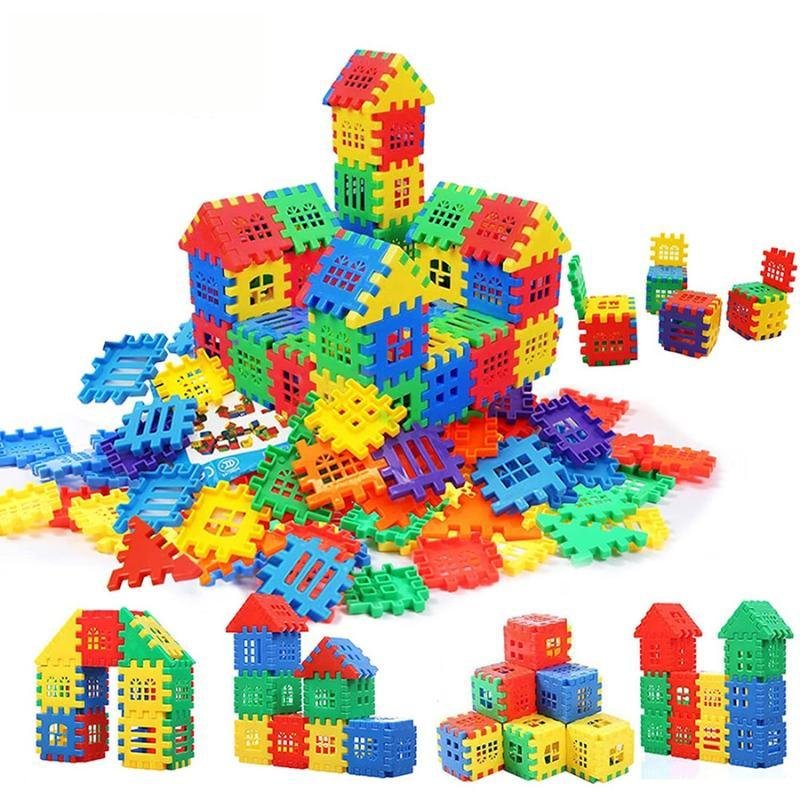
During the late 20th century, building block products expanded beyond simple houses and castles into numerous categories, including:
- Architecture
- Cities
- Vehicles
- Trains
- Space exploration
- Pirates
- Fantasy worlds
- Licensed entertainment themes
At the same time, educational institutions increasingly adopted building blocks for teaching engineering, mathematics, and design.
6. The Rise of Custom Building Blocks (2010s–Present)
Today, building blocks have become much more than children’s toys. Advances in digital design, precision molding, and UV printing have enabled manufacturers to create highly customized sets for businesses, organizations, and institutions.
Common applications include:
- Corporate promotional gifts
- Tourist souvenirs
- University commemorative gifts
- Stadium and sports merchandise
- Museum and cultural products
- Architectural landmark models
- Brand mascots and IP merchandise
- Retail promotional campaigns
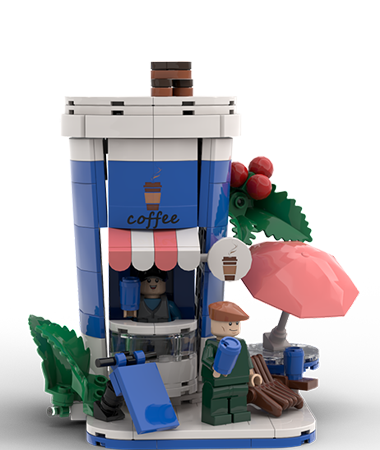
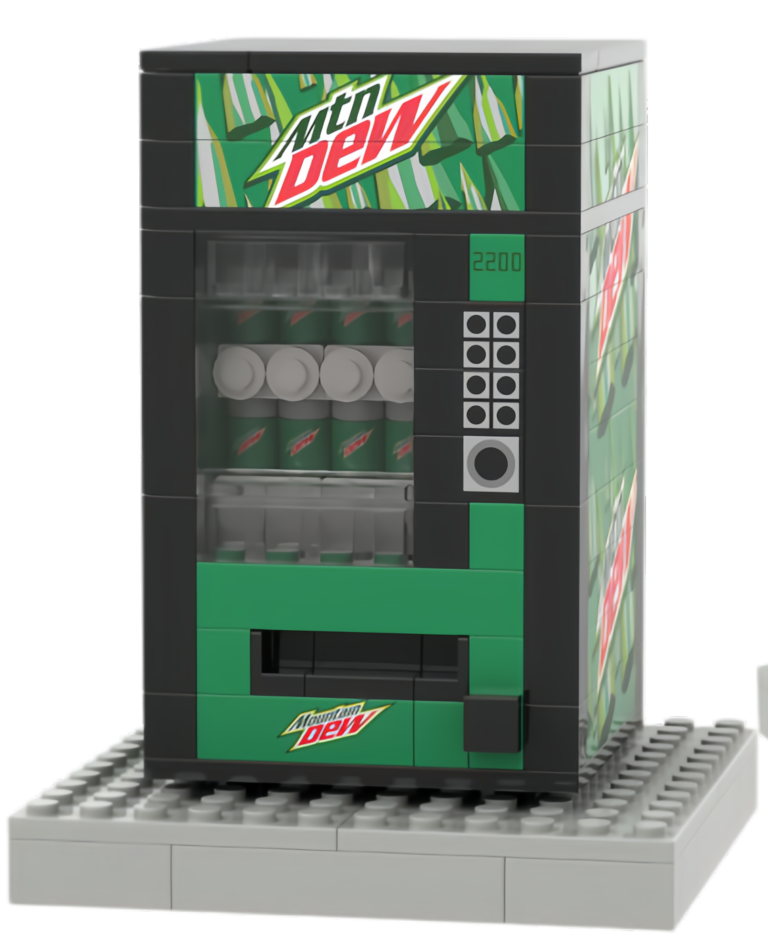
Custom building block manufacturers can now produce personalized brick sets based on logos, buildings, products, characters, or original artwork, making building blocks an effective marketing and branding tool.
Why Building Blocks Remain Popular
Building blocks continue to be valued because they combine entertainment with education. Research has shown that construction play helps develop:
- Creativity and imagination
- Logical thinking
- Hand-eye coordination
- Fine motor skills
- Spatial intelligence
- Collaboration and communication
- Engineering and design thinking
- Patience and perseverance
These benefits make building blocks popular among children, educators, collectors, hobbyists, and businesses alike.
Timeline of Building Block History
| Period | Milestone |
|---|---|
| 17th–18th Century | Simple handcrafted wooden blocks introduced as educational toys |
| Early 1800s | Friedrich Fröbel develops educational building blocks for kindergarten |
| 1932 | The LEGO Group founded in Denmark as a wooden toy manufacturer |
| Late 1940s | Plastic building bricks begin to replace wooden construction toys |
| 1958 | LEGO patents the modern interlocking brick system |
| 1970s–2000s | Building blocks expand into educational, architectural, and licensed themes |
| 2010s–Present | Growth of custom building blocks for branding, corporate gifts, tourism, education, and cultural promotion |
Today, building blocks have evolved from simple wooden educational toys into a global creative platform used for learning, entertainment, engineering, architecture, collectibles, and custom promotional products. For manufacturers and brands, custom building block sets have become an innovative way to tell stories, strengthen brand identity, and engage customers through interactive experiences.