Contents
- 1 Why Are Building Blocks Effective for Brand Promotion?
- 2 Turn Your Brand Into a Building Block Model
- 3 Create Branded Packaging
- 4 Promotional Building Blocks for Different Industries
- 5 How Are Promotional Building Blocks Customized?
- 6 How to Develop a Promotional Building Block Set
- 7 Think About Quantity Before Production
- 8 Building Blocks Can Extend Brand Visibility
- 9 Final Thoughts
Building a recognizable brand requires more than simply putting a logo on promotional products.
Businesses today are looking for marketing products that can attract attention, communicate their identity, and give customers a reason to remember them.
Building blocks for brand promotion offer an interesting way to achieve this.
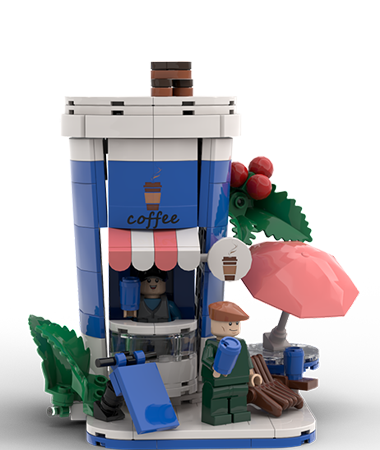
A custom building block product can turn a company’s product, building, mascot, symbol, or brand concept into a physical model. It can then be used as a promotional gift, marketing campaign product, event giveaway, retail item, or office display.
Because building blocks combine creativity with interaction, they can provide a different experience from traditional promotional products.
Why Are Building Blocks Effective for Brand Promotion?
Many promotional products have a short lifespan.
Pens, flyers, paper cards, and similar items are often used briefly and then forgotten.
A building block set works differently.
The recipient has to interact with the product by opening the package, assembling the pieces, and completing the model. After assembly, the finished model can be displayed on a desk, shelf, or other visible location.
This creates multiple opportunities for brand exposure.
The promotional experience can therefore happen in several stages:
Receive → Open → Build → Display → Remember
Instead of simply seeing a logo, the customer experiences the brand through a physical product.
Turn Your Brand Into a Building Block Model
One of the most effective approaches is to transform something directly related to the company into a building block model.
For example, a company could create:
- A miniature company headquarters
- A product replica
- A mascot
- A brand symbol
- A vehicle
- A machine
- A store
- A landmark
- A themed miniature scene
The closer the model is to the company’s identity, the easier it is for the promotional product to communicate the brand.
A building block model can also be designed around a specific marketing campaign instead of representing the company’s entire brand.
Create Branded Packaging
The building block model is only one part of a promotional product.
Packaging can play an equally important role in brand presentation.
A customized box can include:
- Company logo
- Brand colors
- Product name
- Marketing message
- Website information
- Campaign graphics
- Event information
- Assembly instructions
For companies with established visual identities, the packaging can be designed to match existing brand guidelines.
This creates consistency between the building block model and other company marketing materials.
Promotional Building Blocks for Different Industries
The flexibility of building block design makes them suitable for many industries.
Automotive
Vehicle models can be used to promote new products, dealerships, automotive events, or brand campaigns.
Real Estate
Building and property models can become promotional products for developers, agencies, and property companies.
Manufacturing
Factories, machines, equipment, and products can be recreated as miniature models.
Technology
Technology companies can create models representing products, devices, offices, or brand concepts.
Tourism
Hotels, attractions, landmarks, and destination-themed scenes can become collectible building block products.
Education
Schools and universities can create campus models or institution-themed promotional products.
Sports
Teams and sports organizations can develop stadiums, equipment, trophies, or themed models.
This versatility allows companies to create promotional products that are directly connected to their industry.
How Are Promotional Building Blocks Customized?
The level of customization can vary depending on the project.
Customers may customize:
Model Design
The overall shape, structure, and appearance of the building block model.
Colors
Colors can be selected to match the product or brand identity.
Printed Details
Logos, text, numbers, symbols, and graphics can be incorporated where appropriate.
Size and Piece Count
The model can be developed according to the intended use and target budget.
Packaging
Boxes, sleeves, manuals, cards, and other packaging elements can be customized.
This makes it possible to develop a promotional building block product that is much more closely connected to a company’s marketing objectives.
How to Develop a Promotional Building Block Set
The development process usually starts with a concept.
The company can provide photos, product information, drawings, existing 3D files, or other reference materials.
A typical development process can include:
Idea → Design → 3D Modeling → Sample → Revision → Approval → Production → Packaging
During the sampling stage, the model can be reviewed and adjusted.
Changes may involve:
- Model proportions
- Colors
- Piece count
- Structural details
- Printed elements
- Packaging
Once the final design is approved, production can begin according to the required quantity.
Think About Quantity Before Production
The required quantity depends on the marketing purpose.
A limited corporate gift campaign may require a relatively small quantity.
A large promotional campaign may require hundreds or thousands of sets.
Businesses should estimate the number of recipients, campaign duration, storage requirements, and distribution channels before confirming production.
For larger orders, planning the packaging and logistics at the same time can also help avoid delays.
Building Blocks Can Extend Brand Visibility
A promotional product becomes more valuable when it continues to be visible after the initial marketing interaction.
A finished building block model can remain on a customer’s desk, shelf, office, or home.
Every time the model is seen, it can remind the recipient of the company or campaign associated with it.
This makes building blocks particularly interesting for businesses that want promotional products to have a longer-lasting physical presence.
Final Thoughts
Building blocks can provide businesses with a creative alternative to traditional promotional products.
They can represent products, buildings, mascots, machines, landmarks, or other brand-related elements while giving customers an opportunity to interact with the product.
From corporate gifts and product launches to marketing campaigns and branded collectibles, promotional building blocks can be adapted to different business objectives.
The key is to create a product that feels connected to the brand while still being enjoyable to build and display.
With customized model design, colors, printed elements, piece counts, and packaging, businesses can develop building block products that combine brand recognition, creativity, interaction, and long-term visibility.